Plastics, BPA and Phthalates...OH MY!
The sister of a good friend of mine pointed out an article in our local paper about baby bottles, sippy cups and harmful chemicals that mimic estrogen. I generally pride myself on being up to date on the latest research about products, chemicals and health, so I was rather disappointed to find the following article, of which I had no previous information:
Plastic baby bottles found to leach hormone in study
The title is actually inaccurate--it doesn't leach an actual hormone, but a chemical that mimics estrogen.
Apparently, the information has been reported many times before, but not on a large scale and not wide enough to make consumers angry. The summary of the story is that many baby bottles and sippy cups are made of polycarbonate. When polycarbonate is heated to about 80 degrees farhenheit (as in warming a baby bottle), bisphenol-A migrates to the surface and is "leeched" into the milk or food in contact. Bisphenol-A was originally produced for use as a synthetic hormone in 1936. Now BPA molecules are bound by "ester bonds” to form a polymer used to make polycarbonate plastic.
When scientists exposed new and used bottles to boiling water, however, they released BPA up to 55 times more rapidly than before heating.-Sci-Tech Today
This begs the question: what happens to the same polycarbonate product in the dishwasher? Especially in the high heat of the drying cycle.
According to advocates for Polycarbonate products, the concern over bisphenol-A migrating to the surface of the product is just a scare tactic. However, the following are quotes directly from the site www.bisphenol-a.org:
"Increased migration into boiling water is not news at all since it is well known as a general phenomenon that migration levels increase with increasing temperature."
The website goes on to say "These researchers found that elevated migration levels are a transient effect that quickly recedes to a baseline level with continued use, even when boiling water was used in each subsequent cycle."
Is this okay with anyone? It is saying that though the levels may increase with boiling water initially, that the levels will reduce to a baseline level. Is anyone okay with ANY levels?
The Bisphenol-A website goes on to cite studies that support the idea that there is very little Bisphenol-A migrating into food and water. One particular research article cited drew it's conclusions from 1998 research that concluded the amount of Bisphenol-A was below the government standards of 3mg/kg.
What the studies do not take into consideration is that a single product may leech less than 3mg/kg for each heating. However, for someone who uses a baby bottle, you have to consider that EVERY feeding will contain bisphenol-A and that a new baby's body weight is 5% of an adult's body weight and the impact will be far greater. Add to this pacifiers--which many of the plastic shields (not the nipple) are made of polycarbonate--are boiled for sterility and are adding to the problem.
Are the new articles just a scare tactic to consumers?
Two separate panels sponsored by the National Institutes of Health (NIH) have both detailing concerns within the last year about infant exposure to BPA. One of the NIH panels consisting of 38 BPA experts from around the world expressed grave concerns that human exposures are at or above the levels that cause harm in animal studies. -EWG
There are many older studies, such as this one, supporting the idea that such levels are harmful for babies, even perinatally (mom ingesting it before birth).
Offspring exposed to BPA exhibited an increase in body weight that was apparent soon after birth and continued into adulthood. In addition, female offspring exposed perinatally to the high dose of BPA exhibited altered patterns of estrous cyclicity and decreased levels of plasma luteinizing hormone (LH) in adulthood.
According to the U.S. Centers for Disease Control, 95% of Americans have detectable levels of bisphenol-A in their bodies. -Environmental California
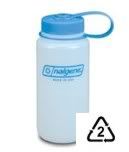
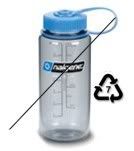
In a typical day, how much BPA do you ingest? Check your tupperware, water bottles, and even canned goods. Anything with this symbol:

is most-likely polycarbonate. It is the "other" category that also includes bioplastics but primarily polycarbonate.
If you don't have children, don't assume you are unaffected by BPA. Nalgene uses polycarbonate for most of their products. If you've ever thrown your Nalgene water bottle in the dishwasher, it leeched BPA. Add to this if you eat canned goods, or drink out of other water bottles (I had one with an ice pack that sits in the middle of the water bottle that was polycarbonate).
Dental Sealants are also a hazard.
The Bisphenol-a.org website states that "Subsequent studies, culminating with that of Eric Fung and coworkers, indicate that while extremely low levels of BPA can be detected in the saliva of individuals treated with selected dental resins in the hours immediately following application, no BPA was detected in the blood stream." There are many critics of such studies because the study measured BPA in ppm (parts per million) but hormones are measured in ppt (parts per trillion).
Read Here and other articles HERE
Canned Goods
BPA is a plastic and resin ingredient used to line metal food and drink cans. There are no government safety standards limiting the amount of BPA in canned food. Of all foods tested, chicken soup, infant formula, and ravioli had BPA levels of highest concern. Just one to three servings of foods with these concentrations could expose a woman or child to BPA at levels that caused serious adverse effects in animal tests.EWG
Think you're safe with Organic canned goods? Not true. Even Amy's, Muir Glen, and 365 (Whole Foods brand) use BPA as the can liner. It appears that tomatoes are always lined with BPA because of the acidity. However, Eden Foods does not use BPA for any of their other canned products. For more information on the canned goods you use, contact the company directly.
General Conclusions:
*Check your plastics. #2, #4 and #5 are the safest.
*Eat as few canned goods as you can. (darn, and I love black beans, I'm going to have to prepare them)
*Avoid baby formula, if possible.
*Be careful when choosing baby bottles and sippy cups.
*Throw out all #7 recyclables.
*Never microwave plastics.
Check the links in the column for product recommendations for plastics.
Here is a general guide to the recycling numbers on plastics:
#1 PETE or PET (polyethylene terephthalate): used for most clear beverage bottles such as the single use water bottles.
#2 HDPE (high density polyethylene): used for "cloudy" milk and water jugs, opaque food bottles.
#3 PVC or V (polyvinyl chloride): used in some cling wraps (especially commercial brands), some "soft" bottles. Plasticizers are added to many PVC products to make them flexible. These include phthalates -- suspected endocrine-disrupting chemicals (EDCs). DEHA, another possible endocrine disruptor, was found to leach from PVC cling wraps into cheese in 1998 tests by Consumer Reports. Grocery stores commonly use PVC to wrap deli meats and cheeses. Reynolds cling wrap is PVC. Appalachian Mountain spring water and some vegetable oils are bottled in PVC. And PVC's manufacture and incineration produces highly toxic dioxins, as does the PVDC used in Saran Wrap, according to Consumers Union, publisher of Consumer Reports.
#4 LDPE (low density polyethylene): used in food storage bags and some "soft" bottles.
#5 PP (polypropylene): used in rigid containers, including some baby bottles, and some cups and bowls.
#6 PS (polystyrene): used in foam "clam-shell"-type containers, meat and bakery trays, and in its rigid form, clear take-out containers, some plastic cutlery and cups. Polystyrene may leach styrene into food it comes into contact with. A recent study in Environmental Health Perspectives concluded that some styrene compounds leaching from food containers are estrogenic (meaning they can disrupt normal hormonal functioning). Styrene is also considered a possible human carcinogen by the World Health Organization’s International Agency for Research on Cancer.
#7 Other (usually polycarbonate): used in 5-gallon water bottles, some baby bottles, some metal can linings. Polycarbonate can release its primary building block, bisphenol A, another suspected hormone disruptor, into liquids and foods. In 1998, the Japanese government ordered manufacturers there to recall and destroy polycarbonate tableware meant for use by children because it contained excessive amounts of bisphenol A. Other sources of potential bisphenol A exposure include food can linings and dental sealants. Read more...